
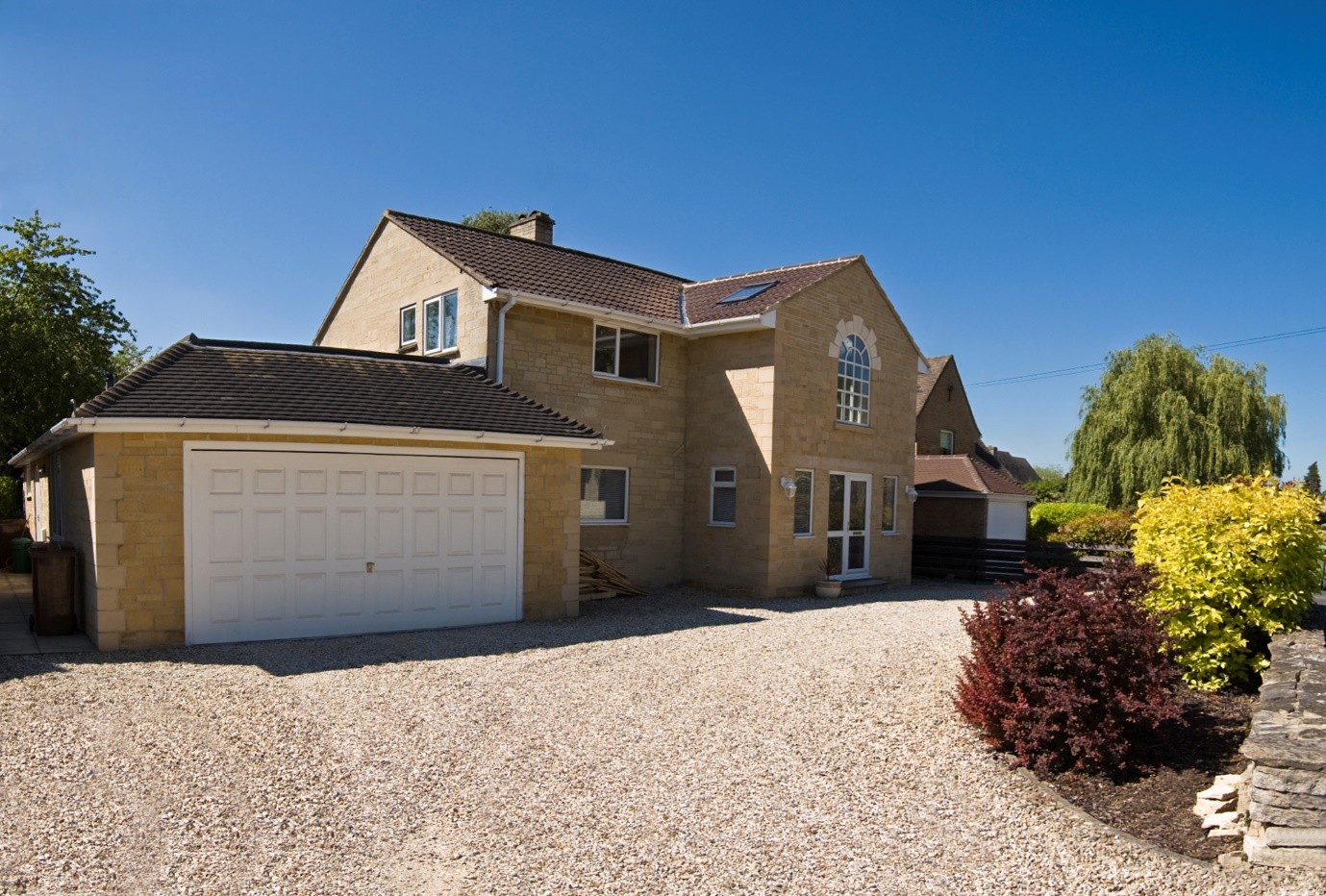
When it comes to laying a new driveway, choosing the right aggregate is so important. The type of aggregate you choose ensures both the durability of your driveway and its aesthetics. So what is the best aggregate for driveways?
There are several things to consider when choosing an aggregate for your driveway, including the aggregate type, size, colour and maintenance involved. In this article, we’ll explain what the best aggregates for driveways are, their benefits, and anything you need to know about them, so you can make the best decision for you.
Your driveway is one of the first things people see when they arrive at your house. An attractive, well-kept driveway can help create a good first impression and give your home some serious kerb appeal. Other than looking aesthetically pleasing, your driveway must be functional, especially if you have vehicles that regularly drive on and off it, and for people who may need to walk on it.
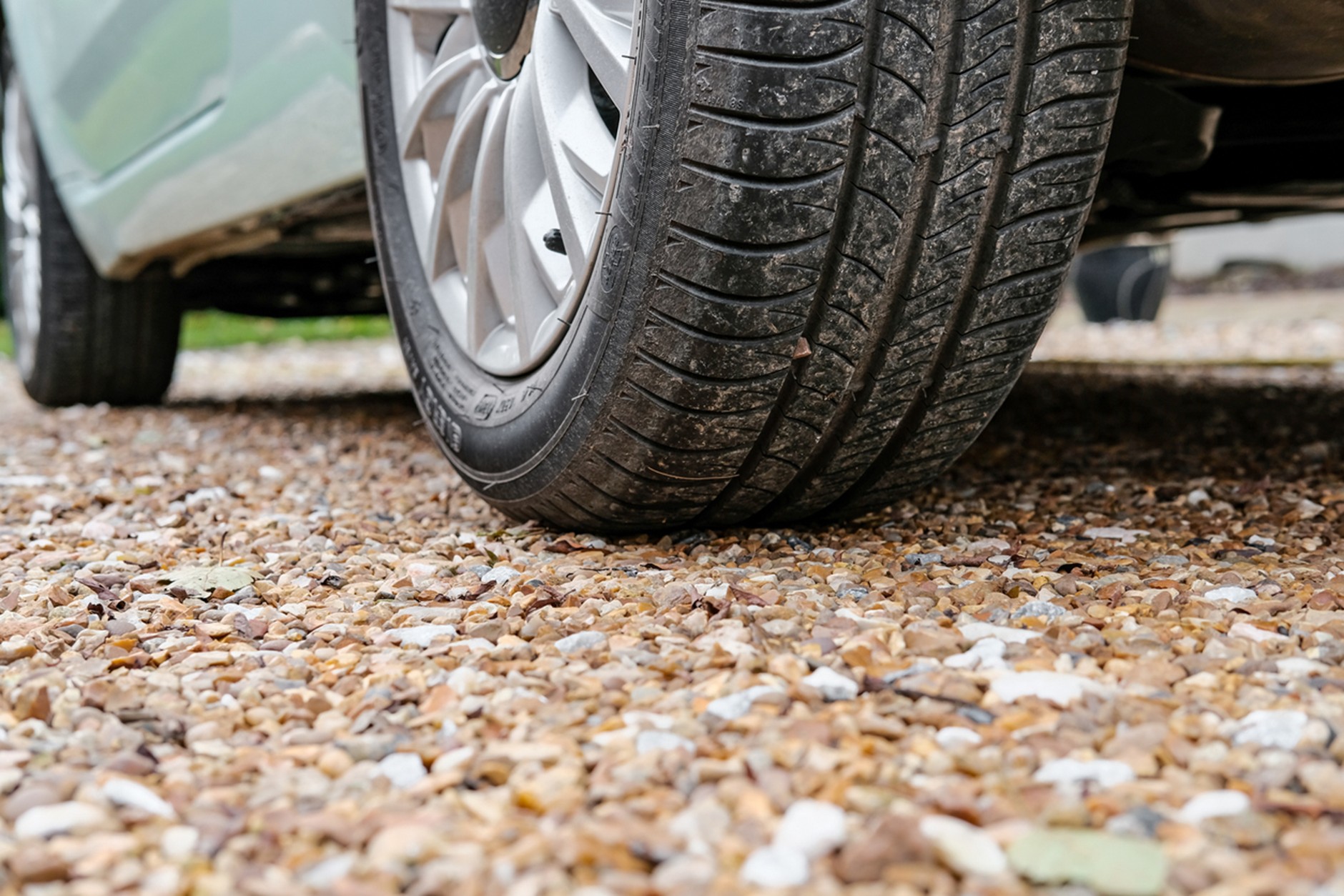
Choosing the right aggregate for your driveway is therefore very important. If the stones are too small, they can get stuck in tyre treads or disappear very easily into the ground. If they’re too big, though, it makes it hard to walk on and is uncomfortable. Getting the right balance between style and functionality is key.
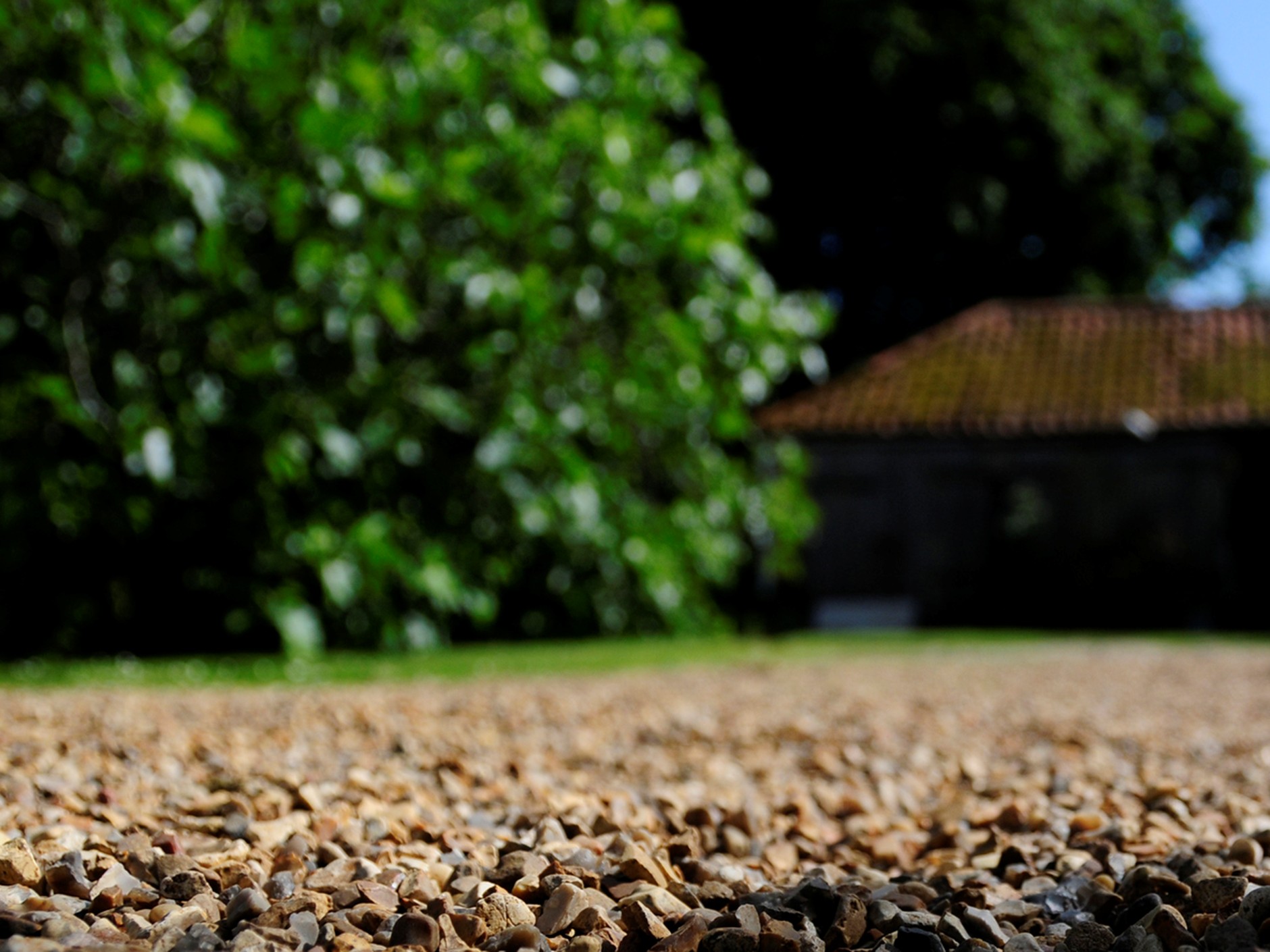
Gravel is a common aggregate often used for driveways thanks to its versatility. It consists of small, rounded stones that typically range from around 6-40mm in diameter. Gravel has excellent drainage qualities, which prevent water from building up in your driveway. Gravel driveways are also easy to install and maintain, and you can get gravel in a range of different colours, stones and variations to suit your needs.
Gravel can be prone to displacement and often needs replenishing every few years; other than this, it is a great all-rounder thanks to its versatility. It is a very popular option for driveways because of its ease of use and wide range of colours and sizes, allowing for greater design personalisation.
Benefits of gravel driveways:
displacement. It offers great drainage, preventing flooding or erosion. While it can be rougher on tyres, it can be compacted to create a firmer surface, providing greater stability compared to gravel. It’s a great choice for high-traffic driveways or areas prone to erosion or those that require a more structured, durable driveway.
Benefits of MOT Type 1 driveways:
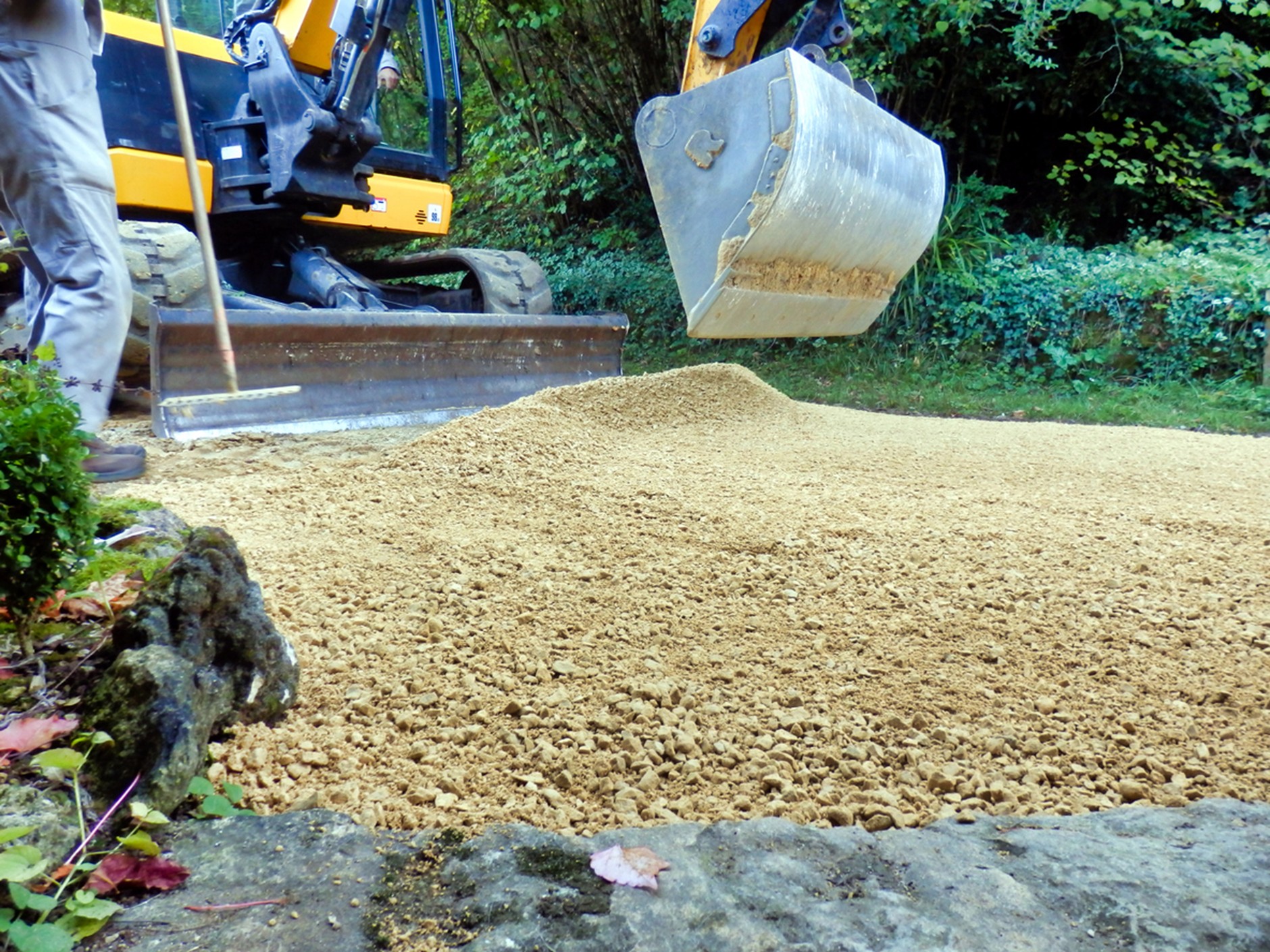
Type 1 recycled aggregate is usually made from crushed concrete and other recycled materials from demolition sites, like brick and asphalt. It is an eco-friendly and cost-effective aggregate for driveways. It offers the same durability and performance as MOT Type 1, which is traditional quarried aggregate, but at a lower price thanks to its recycled nature. Great for use as a sub-base in driveways, it is easily compacted, fairly non-permeable and has great load-bearing capacity.
It can be used as both a base layer and a top layer in driveway construction, making it a versatile choice. It has excellent drainage properties, too. While it can be less attractive than other options for a surface layer, it is a good option for any eco-conscious individuals or those who want a more cost-effective solution. Type 1 recycled is particularly good for modern driveways, as well as for building sturdy base layers for paved driveways.
Benefits of Type 1 Recycled driveways:
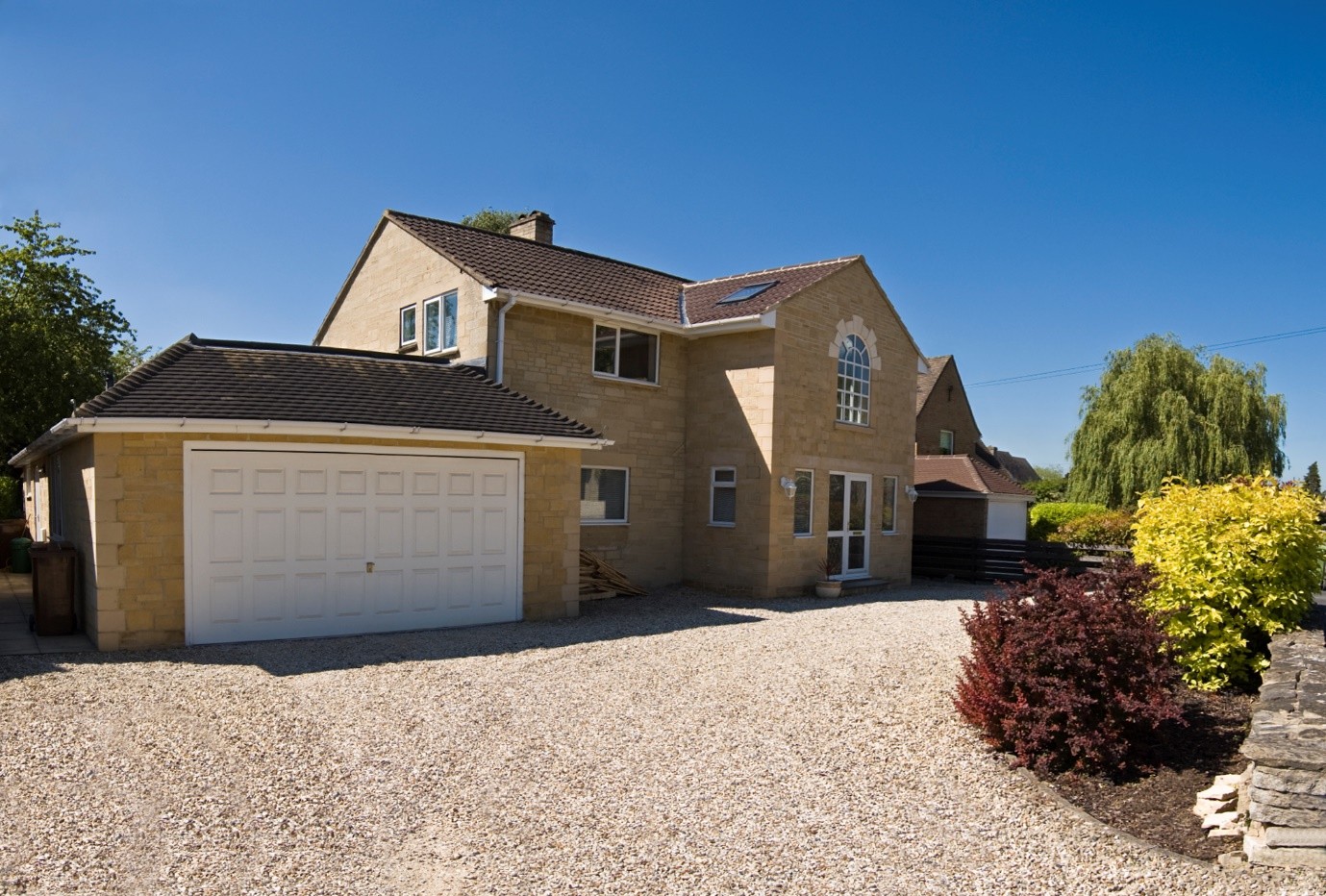
Also known as pea shingle, pea gravel consists of small, round stones that are around 10-20mm in diameter. It provides an attractive and smooth appearance. It’s great for drainage and comfortable to walk on thanks to its smooth, rounded stones. Pea gravel is prone to displacement, though and will likely need regular replenishment every few years. While not a good option for sloped driveways, it is a great choice for decorative driveways and is a cost-effective way to create an attractive finish.
Benefits of pea gravel driveways:
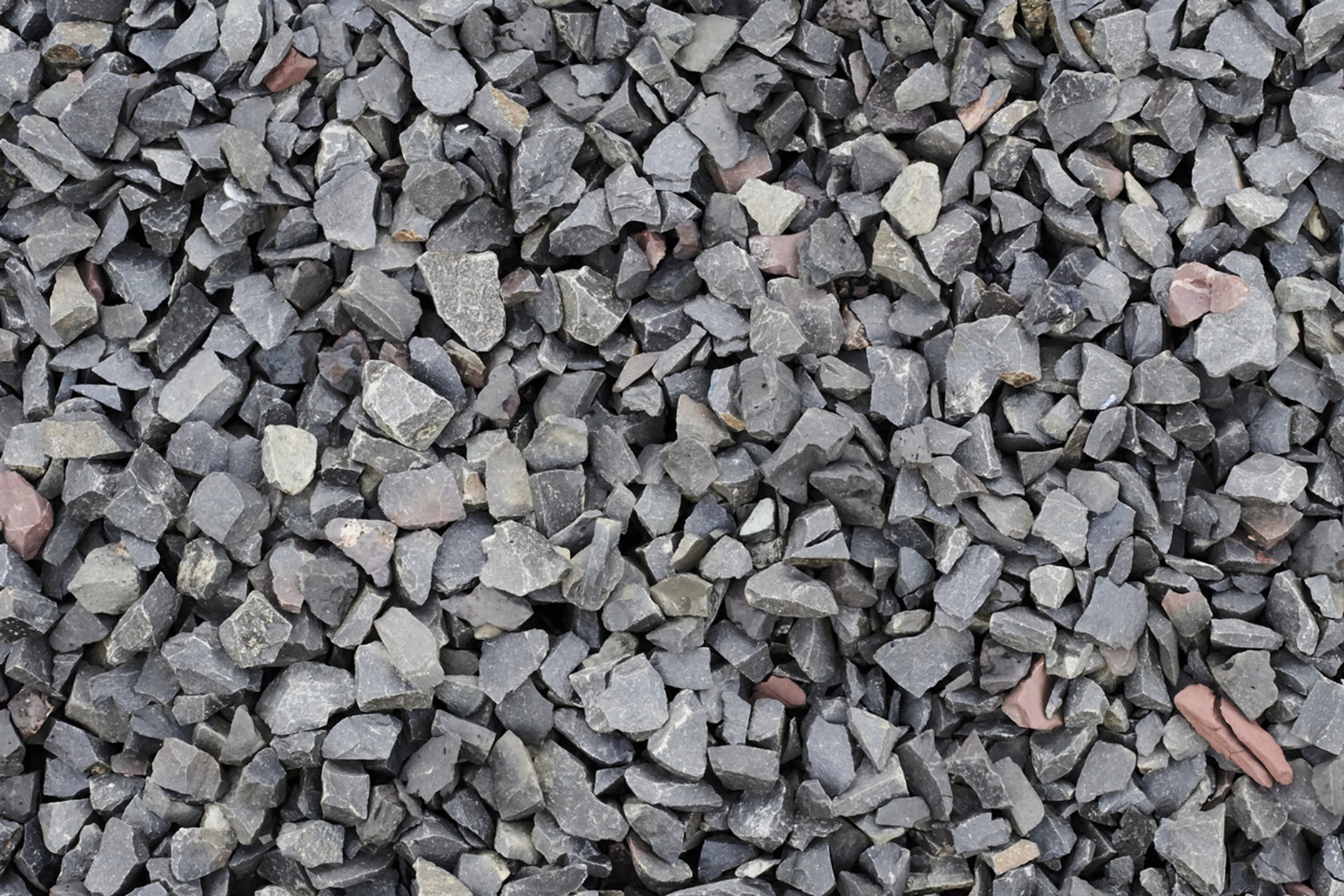
Slate chippings are flat, angular pieces of slate. They generally range from 10-50mm in size and provide a very distinct style and appearance that is visually pleasing. They come in a range of colours from grey to blue and are popular thanks to how aesthetically pleasing they look when laid out on the driveway.
Thanks to the angular design, they interlock well to create a stable surface that’s resistant to displacement. They’re also highly resistant to weathering and provide good drainage. They’re a low-maintenance choice once they’ve been installed and have settled, but can have sharp edges when newly laid.
Benefits of slate chipping driveways:
Above, we’ve listed some of the best aggregates for driveways and outlined the benefits of each. The best aggregate for your specific driveway depends on the finish you want, what you use your driveway for, the size, shape and style of your driveway, and your personal preferences. If you’re still unsure what the best aggregate for you is, get in touch with our team. We’d be more than happy to discuss options and help you decide on the best aggregate for your driveway and your needs.
The amount of aggregate you will need for your driveway will depend on various factors, including:
To work out how much gravel you will need, you’ll have to measure your driveway and then work out the volume. This involves using the formula: Volume = Length x Width x Depth. Then you’ll need to consider the compaction rate of the aggregate you choose and compensate for this with an extra percentage on top.
If you need aggregates for your driveway, EveryTrade grabs can help. Get in touch, and our team can help you work out the right amount of aggregate you will need for your driveway, and deliver it quickly and efficiently to your chosen address in Stockport, Manchester or Cheshire.
If you’re looking for high-quality aggregates for your driveway renovation or construction, get in touch with EveryTrade Grabs today. We offer a wide range of high-quality aggregates that can be delivered directly to you, quickly and efficiently. We can even provide a same-day delivery service in some instances.
We pride ourselves on our excellent customer service and on providing a hassle-free experience. Our prices are transparent, and we make it easy to order and book a delivery slot, ensuring you get exactly what you need when you need it. Call our team today on 0161 470 0220, email us at info@tdgcontracts.com or WhatsApp us for easy, fast replies!