
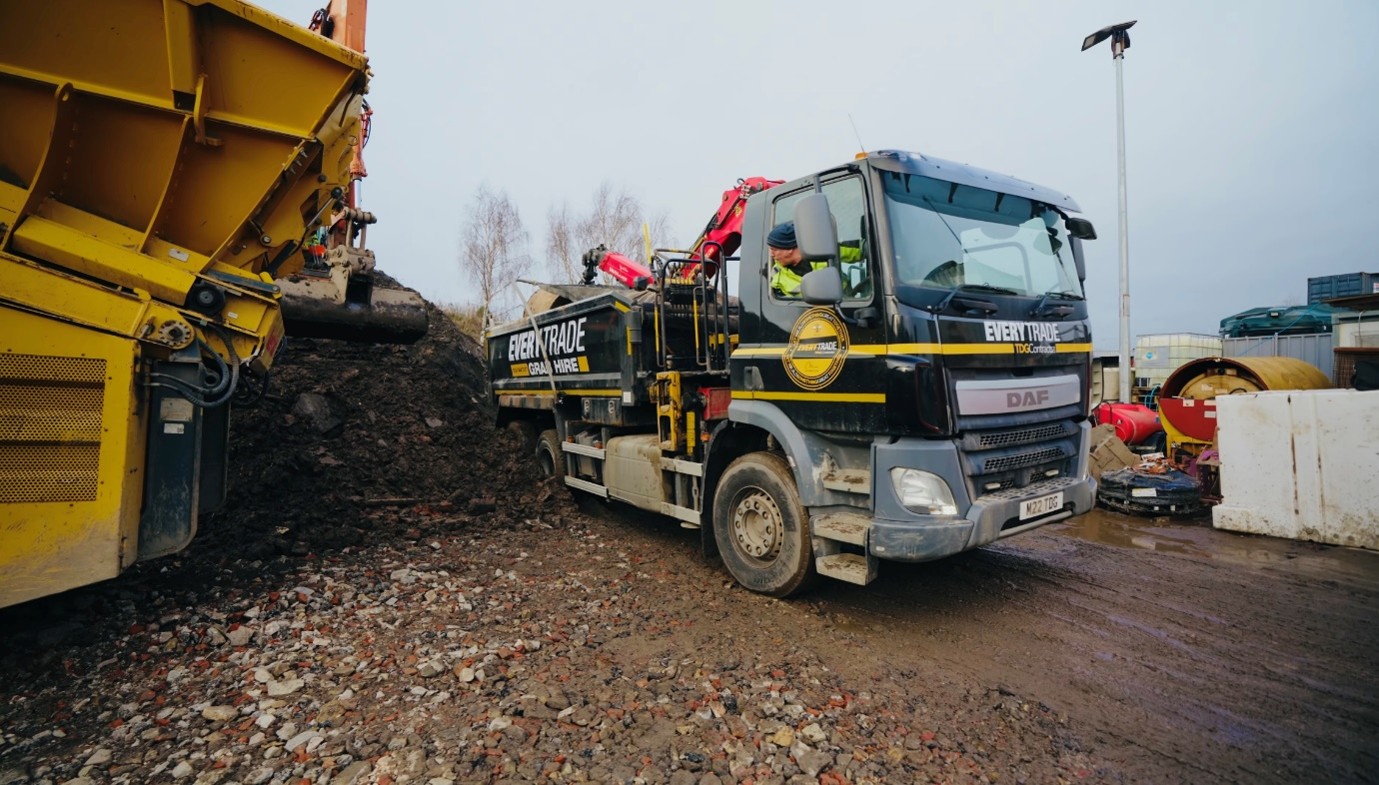
MOT Type 1 is a crushed aggregate graded from 40mm down to dust, made from limestone, granite or recycled concrete. It meets Clause 803 of the Specification for Highway Works and compacts into a dense, load-bearing layer under driveways, roads and patios. Type 2 is a similar material with more fines and a looser grading specification.
Sub-base is the part of the job nobody sees and nearly everybody underestimates. Get it right and the surface above it will sit flat for twenty years. Get it wrong and you’ll be lifting block paving in three winters’ time.
We deliver sub-base aggregate across Stockport, Manchester and Cheshire most days of the week, and the same questions come up on the phone again and again. What’s the difference between Type 1 and Type 2? Is 6F2 any good for a driveway? How deep does it need to go? This guide answers all of it in one place.
A sub-base is the layer of compacted stone that sits between the subgrade (your natural ground) and whatever surface goes on top, whether that’s tarmac, block paving, concrete or gravel.
It has two jobs. The first is spreading load. A car weighs roughly 1.5 tonnes sitting on four tyre contact patches about the size of your hand. Without a sub-base, all of that weight presses straight down into soft ground and the surface sinks. A properly compacted sub-base takes that point load and spreads it out across a much wider area of subgrade.
The second job is drainage and frost protection. Water sitting under a driveway is what destroys it. It freezes, expands, and lifts the surface. A good sub-base either drains water away or is dense enough to stop it getting in.
Most surface failures we see on domestic jobs are not surface failures at all. The blocks are fine. The tarmac is fine. What’s gone is the layer underneath, usually because it was too thin, badly compacted, or the wrong material for the ground conditions.
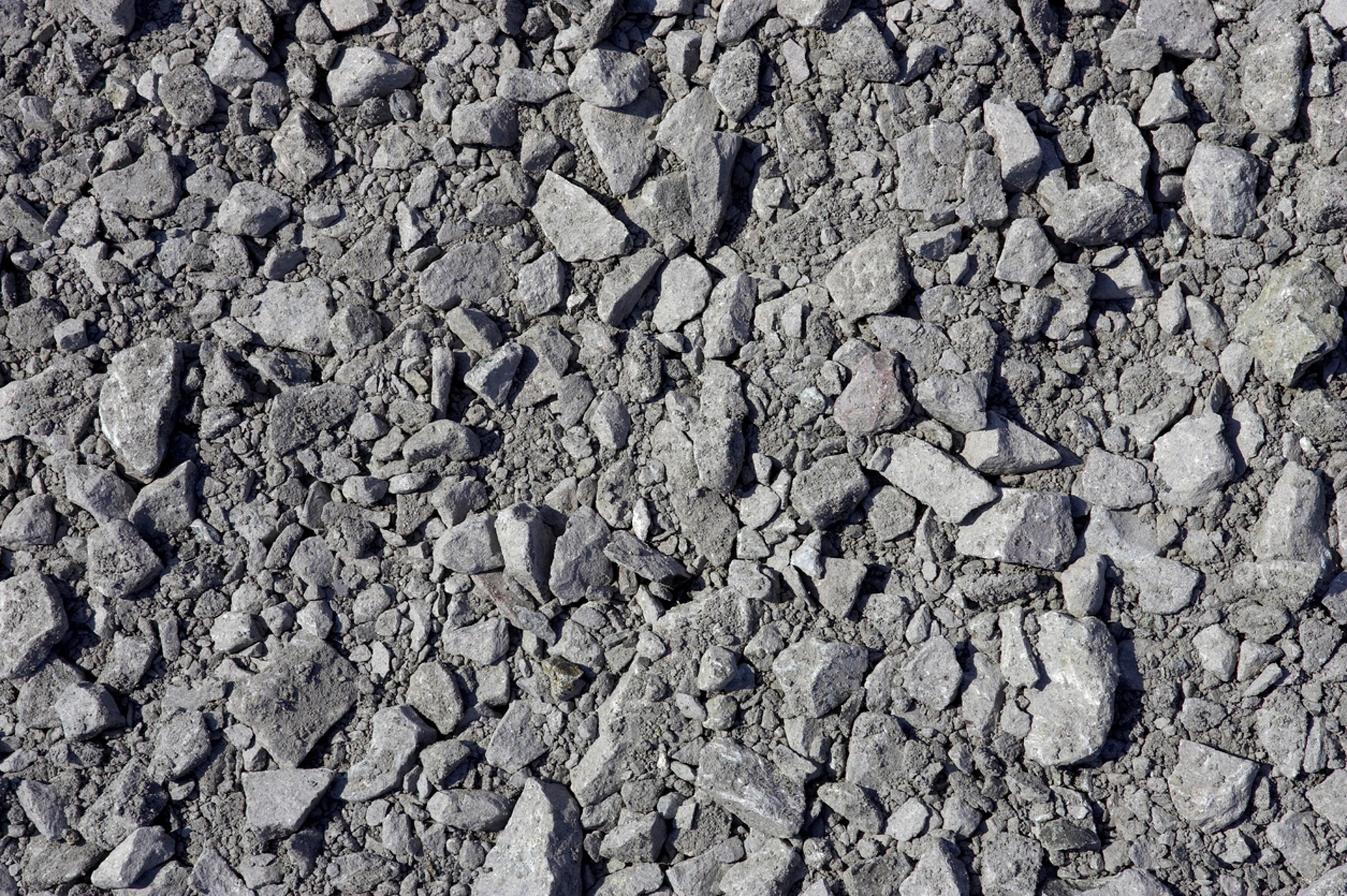
MOT Type 1 is the most widely used sub-base material in the UK. The “MOT” part comes from the Ministry of Transport, which set the original grading requirements. The material is properly called Type 1 Unbound Mixture and is defined by Clause 803 of the Specification for Highway Works.
It is graded from 40mm down to dust. That range matters. The larger pieces give the layer its strength, and the fines fill the gaps between them, so when you roll it the whole thing locks together into something close to solid rock. Compacted Type 1 is very dense and sheds water rather than letting it soak through.
If you’ve ever walked on a freshly rolled Type 1 base and found it hard enough to barrow a full load of concrete across without leaving a mark, that’s the material doing what it’s supposed to do.
MOT Type 1 comes in two forms and both meet the same specification.
Quarried Type 1 is made from crushed limestone or granite. It is clean, consistent from load to load, and usually a light grey or buff colour depending on the quarry it came from.
Recycled Type 1 is made from crushed concrete, brick and other inert construction waste, screened and graded to the same 40mm down profile. It is normally a bit cheaper and does the same job on the vast majority of domestic and light commercial work. Colour varies more because the feedstock varies.
For a house driveway, a patio or a shed base, recycled Type 1 is usually the sensible choice. For anything with a formal specification attached, check what the spec calls for before you order. Some engineers will only accept quarried material.
Type 1 is the default answer for most sub-base work:
Domestic driveways under block paving, tarmac, resin or gravel. Patios and paths. Shed and garage bases under a concrete slab. Road and footpath construction. Car parks and yards. Backfill where a compacted, load-bearing fill is needed. Base layers under artificial grass, though you’ll want a finer grit on top of it.
It is not the right material where you need water to drain straight through, because compacted Type 1 is close to impermeable. For permeable paving and SuDS work you want Type 3, which we come to further down.
| Property | MOT Type 1 |
| Specification | Clause 803, Specification for Highway Works |
| Grading | 40mm down to dust (0/40) |
| Source material | Crushed limestone, granite, or recycled concrete and brick |
| Compacted density | Roughly 2.1 tonnes per cubic metre |
| Permeability | Low once compacted |
| Frost heave | Non-susceptible when specified correctly |
One point on ordering. Type 1 is sold by weight, not volume, and it holds moisture. A bulk bag that has sat out in the rain weighs more than the same bag on a dry day, and the amount of usable stone is identical. That is normal and applies to every supplier.
MOT Type 2 is the sibling material to Type 1 and the two often get confused.
Type 2 is defined by Clause 804 of the Specification for Highway Works. It is graded from 63mm down to dust, so it has both larger pieces than Type 1 and a higher proportion of fine material. The grading requirements are looser, which means suppliers do not have to declare grading ranges in the same way they do for Type 1.
More fines sounds like it should mean better compaction, and up to a point it does. Type 2 compacts down well and makes a stable base for light-duty work. But those fines also mean the material holds more water and has less load-bearing capacity than Type 1. It is a lower-grade product, and it is priced accordingly.
Type 2 is normally used for footpaths, garden paths, pothole repairs, trench backfill and as a lower layer beneath a Type 1 capping on deeper builds. Plenty of people use it under patios and get on fine.
Where we’d steer you away from Type 2 is anything a vehicle drives on. For a driveway, the price difference between Type 2 and Type 1 is small and the performance difference is not. Use Type 1.
Here is the comparison in full.
| MOT Type 1 | MOT Type 2 | |
| Specification clause | 803 | 804 |
| Particle size | 40mm to dust | 63mm to dust |
| Fines content | Controlled, lower | Higher, less controlled |
| Grading declared by supplier | Yes | Not required |
| Load bearing capacity | High | Moderate |
| Drainage once compacted | Low permeability | Holds more water |
| Suitable for driveways | Yes | Not recommended |
| Suitable for footpaths | Yes | Yes |
| Suitable for highway sub-base | Yes | Only in specified applications |
| Typical relative cost | Higher | Lower |
| Available as recycled | Yes | Yes |
The short version: Type 1 is the stronger, better specified material and it is what you want under anything carrying weight. Type 2 is a cheaper, coarser, wetter material for lighter duty work.
If you are standing in a builders merchant trying to decide and there is nobody around to ask, buy Type 1. It will do everything Type 2 does and more.
Type 3 is the one most people have never heard of, and it solves a problem the other two cannot.
Type 3 is an open-graded, reduced-fines sub-base. It is normally supplied as 0/40mm with the fine material largely screened out, so instead of compacting into a dense impermeable mass like Type 1, it compacts into a stable layer with air gaps running through it. Water passes straight through.
It is sometimes sold as permeable sub-base or SuDS aggregate. The load-bearing performance is slightly lower than Type 1, because you have removed the fines that would otherwise fill the voids, but for most domestic applications the difference does not matter.
Sustainable Drainage Systems rules have changed how a lot of driveway work gets done. In England, if you are laying more than five square metres of impermeable surface in a front garden, you generally need either planning permission or a surface that drains on site. The usual way to meet that is permeable block paving over a permeable sub-base.
Type 1 will not work for this. Compact it and water sits on top of it, which defeats the entire purpose. Type 3 is what you need, usually with a clean 20mm or 4/20mm stone as the laying course above it.
Type 3 also gets used under sports pitches, on soakaway construction, around tree pits, and anywhere ground water needs to keep moving. If you are working on a permeable paving job and someone has delivered Type 1, stop and send it back. It is a common and expensive mistake.
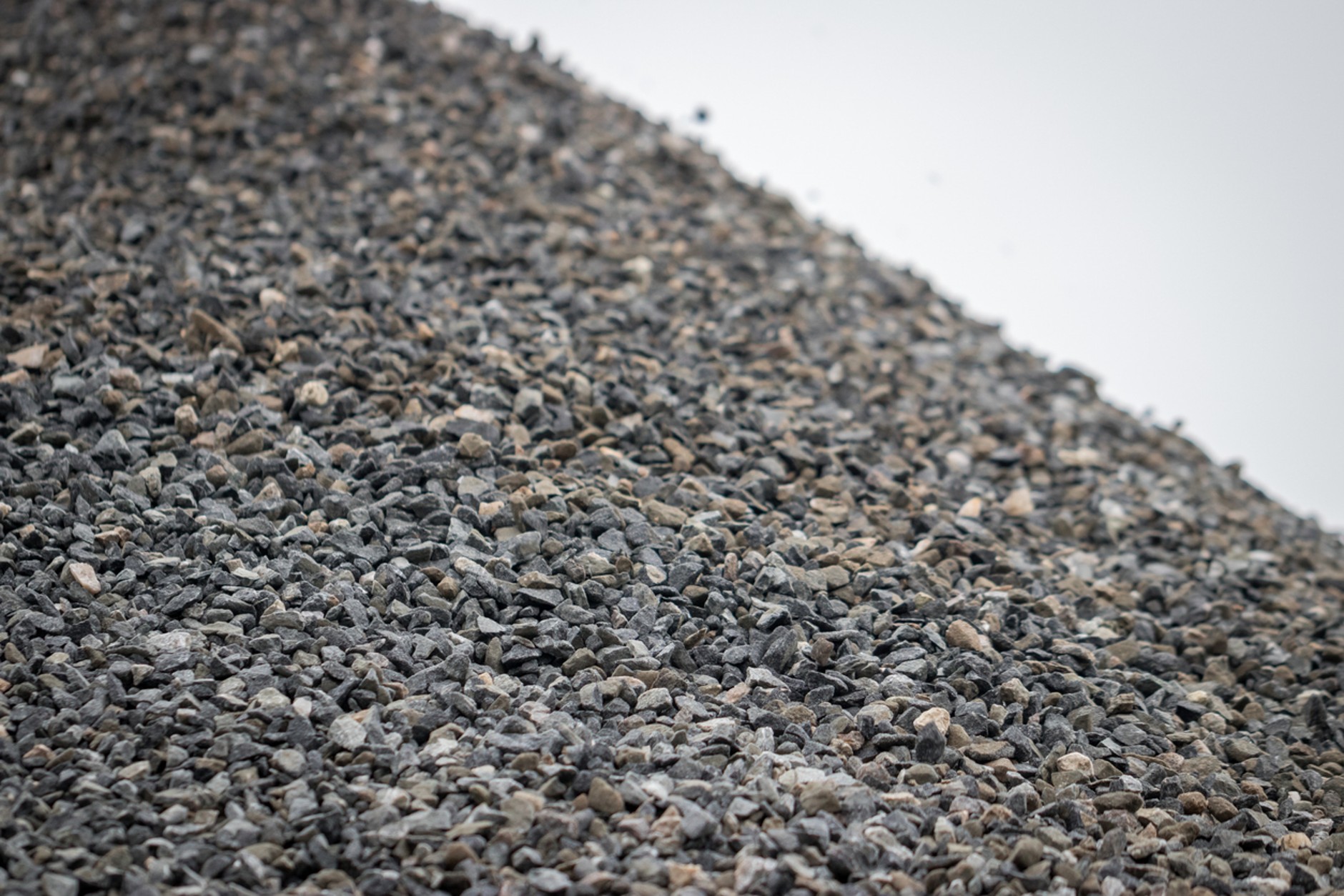
6F2 is a capping layer material rather than a sub-base in the strict sense, and understanding that distinction saves money.
6F2 is defined under Clause 613 of the Specification for Highway Works. It is a recycled, crushed aggregate graded from 125mm down to dust. Those are big pieces. It is made from crushed concrete, brick, block and other inert demolition waste.
A capping layer sits below the sub-base, on top of poor subgrade. Its job is bulk. If you have soft, wet or made ground, you do not want to fill 400mm of depth with expensive Type 1. You put down a thick layer of cheap coarse material to bridge the soft ground and build a working platform, then put a proper sub-base on top of that.
That is what 6F2 is for. It is one of the cheapest graded aggregates available, it is nearly always recycled, and on the right job it saves a lot of money.
Because the pieces are so large, 6F2 does not finish to a neat level. You cannot lay block paving directly on it. It is a bulk fill and a working platform, nothing more.
6F5 is the cleaner, finer relation of 6F2. It is also a Clause 613 capping material, graded from 75mm down to dust rather than 125mm.
The smaller top size makes a real practical difference. 6F5 spreads more evenly, compacts to a tidier finish, and is easier to work with a smaller machine. It tends to be produced from better quality feedstock, so there is less brick and less contamination in it than in a typical 6F2.
It costs a bit more than 6F2 and a bit less than Type 1.
| 6F2 | 6F5 | |
| Specification clause | 613 | 613 |
| Particle size | 125mm to dust | 75mm to dust |
| Source | Recycled concrete, brick, block | Recycled concrete, sometimes quarried |
| Finish quality | Rough, uneven | Tidier, more even |
| Depth it suits | 250mm and above | 150mm and above |
| Machine required | Larger plant | Works with smaller plant |
| Typical relative cost | Lowest | Low to middle |
| Use as a finished sub-base | No | Not usually |
Pick 6F2 when you have real depth to fill and access for a decent sized machine. Pick 6F5 when the depth is more modest, or when you want a cleaner platform to build off. Neither is a substitute for Type 1 as the top sub-base layer.
| Grade | Particle size | Composition | Compaction | Drainage | Typical use | Recycled available |
| MOT Type 1 | 0/40mm | Crushed limestone, granite or concrete | Very high, locks solid | Low permeability | Driveways, roads, patios, shed bases | Yes |
| MOT Type 2 | 0/63mm | Crushed rock or recycled, higher fines | Good | Holds water | Footpaths, backfill, pothole repair | Yes |
| MOT Type 3 | 0/40mm, fines removed | Clean crushed rock or concrete | Good, stays open | Free draining | Permeable paving, SuDS, sports pitches | Yes |
| 6F2 | 0/125mm | Recycled concrete, brick, block | Good as bulk fill | Free draining | Capping layer, bulk fill, haul roads | Nearly always |
| 6F5 | 0/75mm | Recycled concrete, sometimes quarried | Good, tidier finish | Free draining | Capping layer, working platforms | Nearly always |
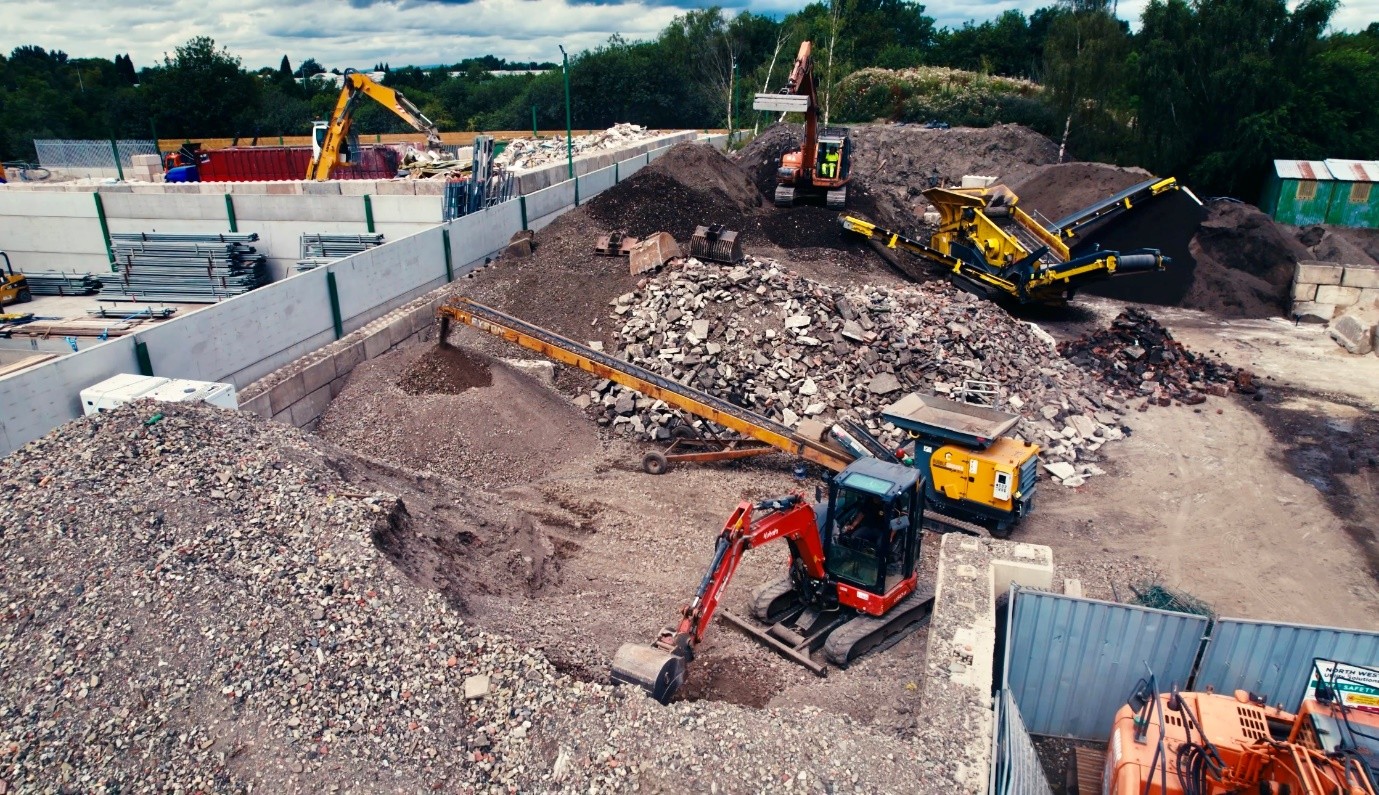
We supply both, and the honest answer is that recycled material is right for most jobs.
Recycled Type 1 is made from crushed concrete and inert demolition waste, screened to the same 0/40mm grading as quarried Type 1. It performs the same under a domestic driveway. It costs less. And it keeps material out of landfill and reduces quarrying, which increasingly matters if you are pricing commercial work where a client wants environmental credentials on the tender.
The arguments for quarried material come down to three situations. If a structural engineer or a specification demands primary aggregate, use primary aggregate. If you need consistent colour, quarried is more predictable. And if you are working somewhere with a very low tolerance for any contamination, quarried removes that variable.
Recycled aggregate quality varies a lot by supplier, and that is the thing to actually watch. Poorly screened recycled Type 1 with plasterboard, wood or soil in it is not Type 1, whatever the ticket says. Buy from somebody who screens properly and will tell you where the material came from.
We produce and supply both across Stockport, Manchester and Cheshire, and we can talk you through which makes sense for what you are building. There is more detail on recycled hardcore grades in our hardcore aggregate guide.
Depth depends on what is going on top and what is underneath. These are the figures we work to, and they assume a reasonable subgrade. Soft, wet or made ground needs more, usually with a capping layer beneath.
100mm of compacted MOT Type 1 is the standard for a patio or a garden path that only takes foot traffic. Some people go to 75mm on very firm ground and small areas. We would not go below 100mm on anything you want to last.
Lay it in one layer and compact with a plate compactor. Do not try to compact 100mm of loose stone in a single pass, it will not consolidate properly through the full depth.
150mm of compacted MOT Type 1 for cars and light vans. This is the figure to remember, and it is where most DIY driveways go wrong. Somebody puts down 75mm because that is what they had in the skip, and two years later there are ruts where the wheels sit.
Lay 150mm in two layers of roughly 75mm and compact each one separately. A single 150mm lift will look compacted on top and stay loose underneath.
If you are laying block paving, the 150mm sub-base sits below your 30mm to 50mm laying course of sharp sand or grit.
225mm to 300mm of compacted Type 1 for HGVs, plant, skip lorries or anything with real axle weight. On poor ground, put a capping layer of 6F2 or 6F5 underneath that, often 250mm or more, before the Type 1 goes down.
At this scale you should be getting the build-up designed rather than working off rules of thumb. Ground conditions, drainage and expected loading all change the answer, and getting it wrong on a commercial yard is a very expensive thing to put right.
The calculation is straightforward. Multiply length by width by depth in metres to get cubic metres, then multiply by the density of the material.
For MOT Type 1, compacted density is roughly 2.1 tonnes per cubic metre.
A worked example. A driveway 8 metres long by 3 metres wide, at 150mm deep:
8 × 3 × 0.15 = 3.6 cubic metres 3.6 × 2.1 = 7.56 tonnes
So you would order 8 tonnes and have a bit spare, which you want anyway because the ground is never as flat as you think it is.
As a rough coverage figure, one tonne of MOT Type 1 covers about 10 square metres at 50mm depth, about 5 square metres at 100mm, and about 3.3 square metres at 150mm.
Bulk bags hold between 800kg and a tonne depending on the supplier. On anything over about three tonnes you are usually better off having it tipped loose, because it works out cheaper per tonne and you are not left with a pile of empty bags. Access permitting, of course.
If you would rather not do the sums, our aggregate calculator will work it out for you.
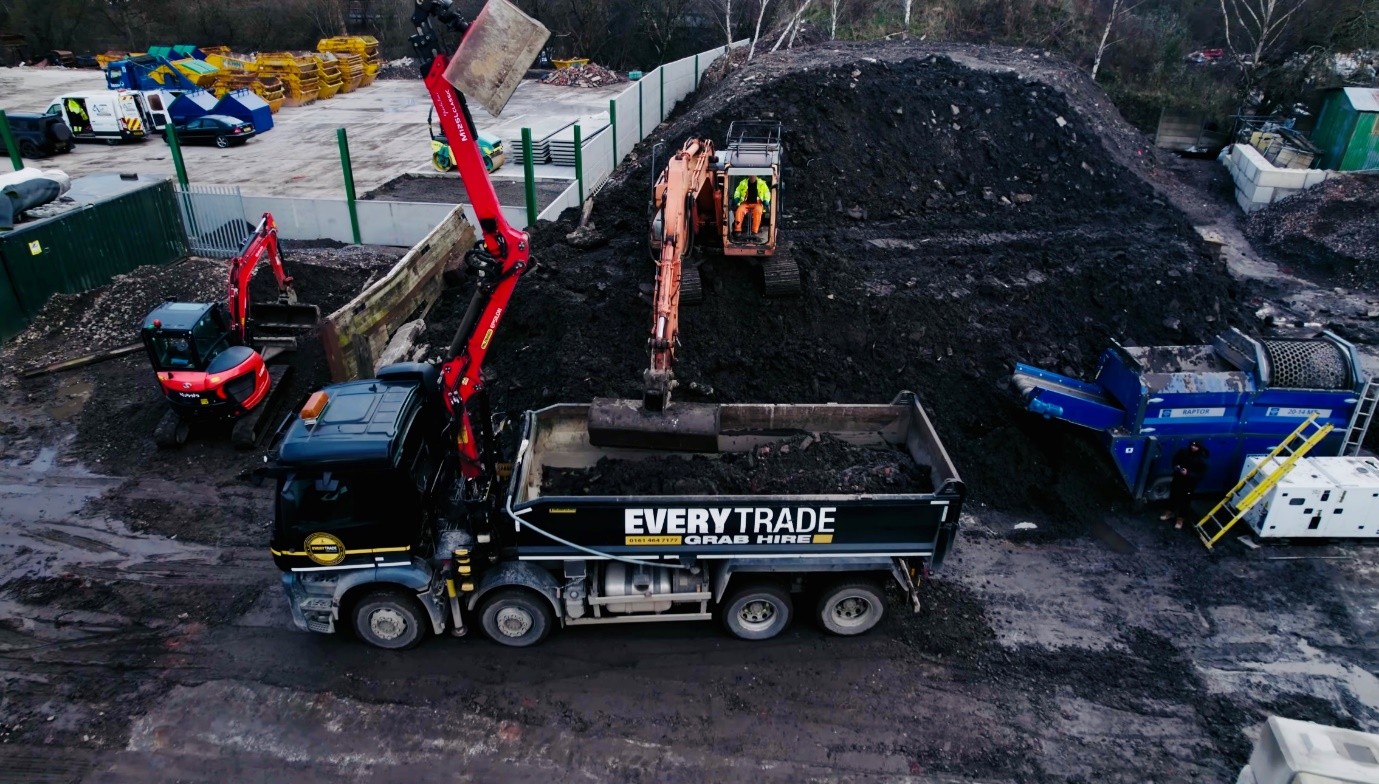
One thing that catches people out on driveway jobs. Digging out 150mm of sub-base depth across a 24 square metre driveway produces around 3.6 cubic metres of spoil, and soil and clay are heavier than the stone going back in. That is roughly 6 to 7 tonnes of muck to get rid of.
Skips work, but for excavation spoil they are usually the expensive option and you often need more than one. A grab lorry loads directly from the driveway or the verge, takes the lot in one go, and does not sit on your driveway for a week. We run 8 wheelers, 6 wheelers and baby grabs for tight access, so we can usually get to jobs that a standard grab cannot.
You can read more about how that works on our grab hire page, and we have broken down the pricing in our guide to grab lorry soil removal costs.
There is also a neat efficiency in doing both with the same supplier. The lorry that takes your spoil away can come back loaded with the Type 1 going in, which saves a wasted leg and usually saves you money.
We have supplied sub-base aggregate to builders, groundworkers, landscapers and homeowners across the North West since 2009. We are based at New Zealand Road in Stockport and cover Manchester and Cheshire from there, usually same or next day.
We stock MOT Type 1 in both recycled and quarried, as well as a range of other aggregates for different needs.
If you are not certain what you need, ring us on 0161 470 0220 and tell us what you are building and what the ground is like. We would rather spend five minutes on the phone getting the order right than deliver you 10 tonnes of the wrong material.
You can also message us on WhatsApp, or send over a photo of the job and we will tell you what we would put in.
Is MOT Type 1 the same as hardcore?
Not quite. Hardcore is a general term for any coarse fill material, and it covers everything from broken brick to crushed concrete with no particular grading. MOT Type 1 is a specific graded product with a defined particle size range and a specification behind it. All Type 1 is hardcore. Not all hardcore is Type 1.
Can I use MOT Type 1 under a shed?
Yes, and it is the right material for it. Dig out 100mm to 150mm, lay and compact Type 1, then put your concrete slab or paving slabs on top. For a timber shed on bearers, 100mm is usually plenty.
Do I need a membrane under my sub-base?
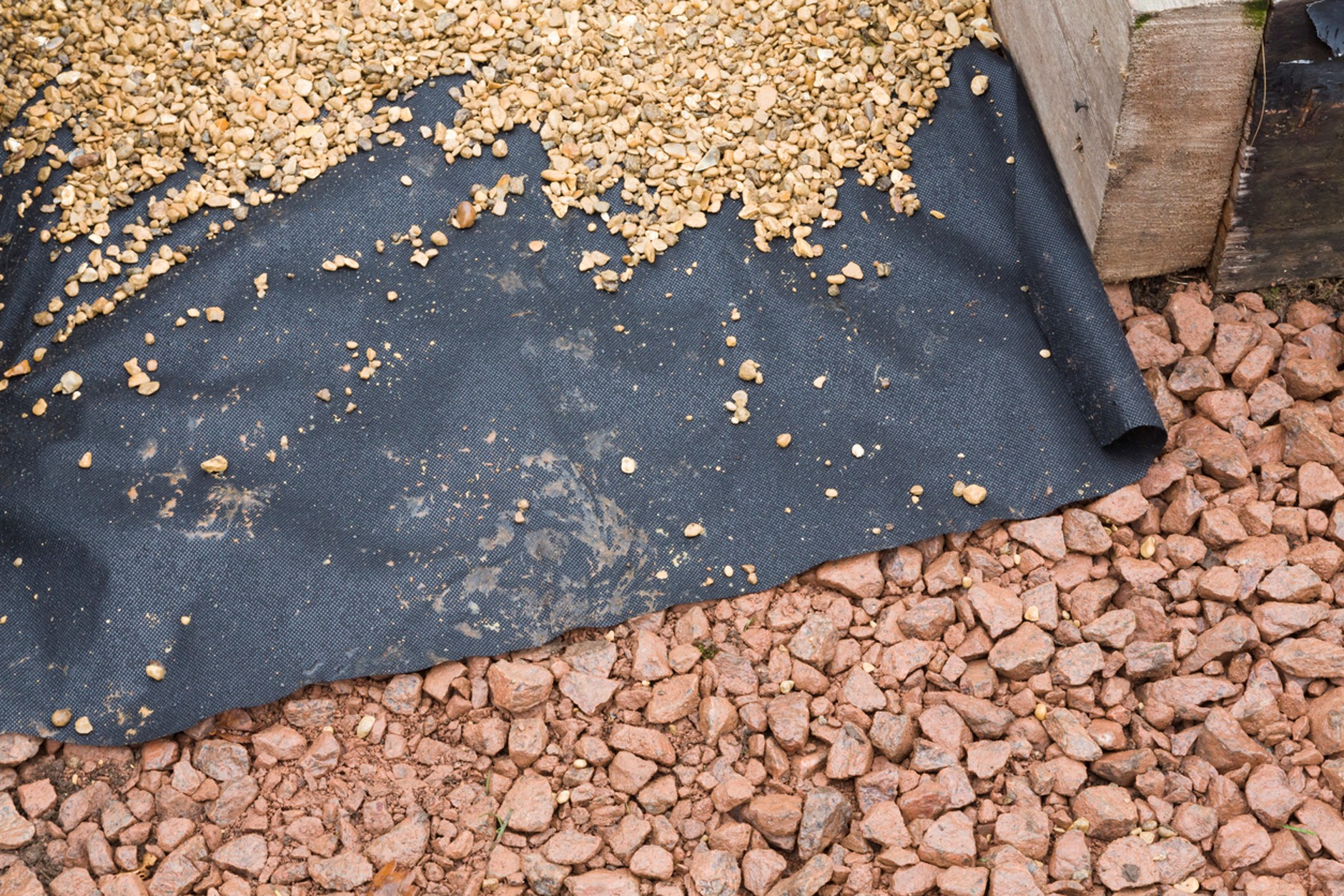
On most driveways, yes. A geotextile membrane between the subgrade and the sub-base stops the stone working down into soft ground and stops soil pumping up into the stone. It costs very little and adds years to the life of the build. On firm ground with a shallow patio build you can get away without one.
How do I know if my sub-base is compacted enough?
Walk on it. Properly compacted Type 1 should feel solid underfoot with no give and no loose stone rolling under your boot. You should not be leaving footprints. If a wheelbarrow leaves ruts, it needs more passes with the compactor.
Can I lay Type 1 in the rain?
You can, and around here with our Northern weather you often have to. Type 1 compacts fine when damp and a bit of moisture actually helps it bind. What you cannot do is lay it into standing water or onto waterlogged subgrade, because you will just push the stone down into the mud. Let the ground drain first.
What is the difference between Type 1 and Type 1 sub-base?
Nothing. They are the same thing. You will also see it written as MOT Type 1, MOT1, Type 1 stone, Type 1 gravel, MOT stone and sub-base aggregate. All the same material.
Is recycled Type 1 as good as quarried?
For domestic driveways, patios, shed bases and most light commercial work, yes. It meets the same grading specification and performs the same. Where a structural specification calls for primary aggregate, use quarried. The main thing is buying properly screened material from a supplier you trust.